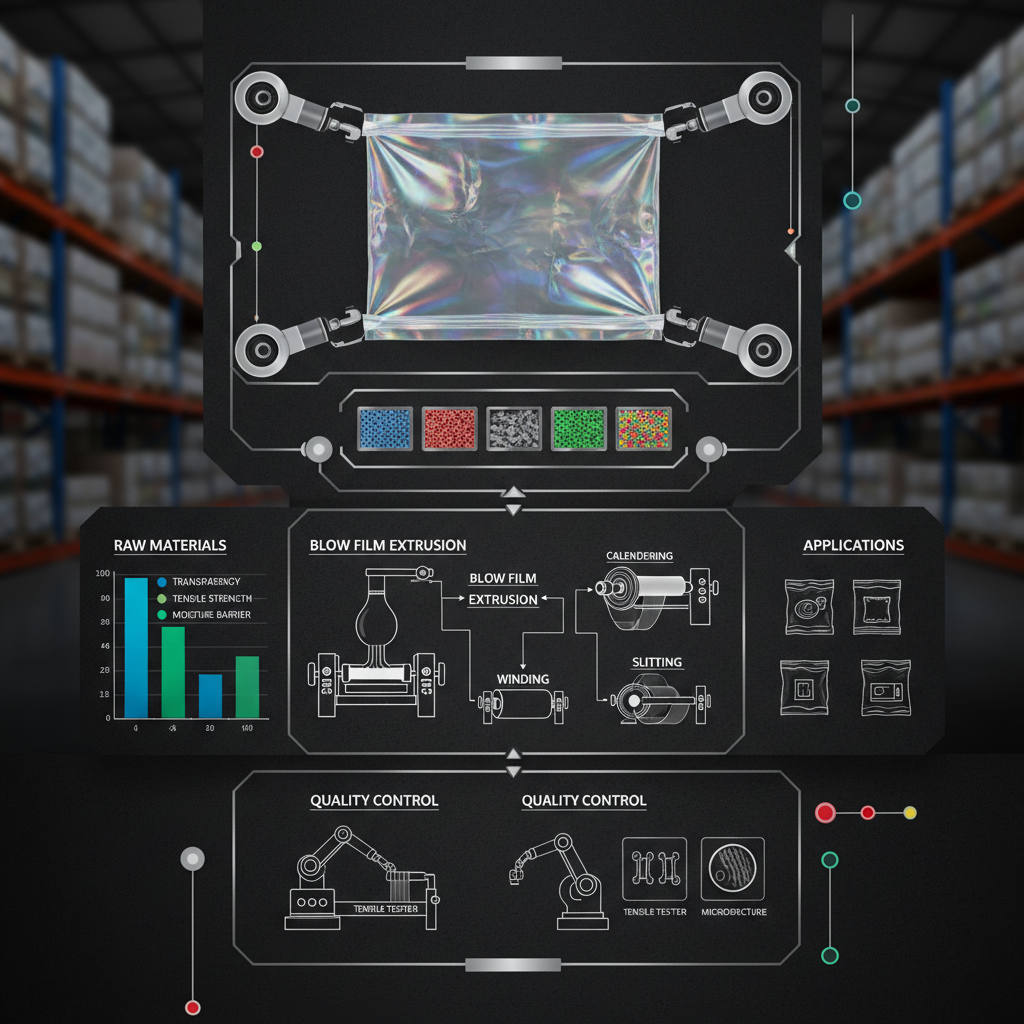
In the competitive landscape of modern packaging, the opp plastic bag has emerged as a cornerstone for brands seeking a balance between high visibility and robust protection. These bags, crafted from Oriented Polypropylene, provide a crystal-clear window into the product, effectively bridging the gap between industrial security and retail appeal. As global e-commerce continues to surge, the demand for packaging that preserves product integrity while enhancing shelf presence has never been higher.
From a technical perspective, the orientation process during manufacturing aligns the polymer chains, which significantly increases the tensile strength and clarity of the material. This makes the opp plastic bag far superior to standard polyethylene options for applications where presentation is paramount. Whether it is stationery, garments, or electronic accessories, the ability to prevent moisture ingress while remaining lightweight is a critical operational advantage.
Understanding the nuances of these packaging solutions allows businesses to optimize their supply chain and reduce waste. By choosing the right gauge and seal type, companies can ensure that their goods reach the consumer in pristine condition. This guide explores the global context, technical specifications, and future trajectories of the opp plastic bag, providing a comprehensive resource for procurement managers and brand owners alike.
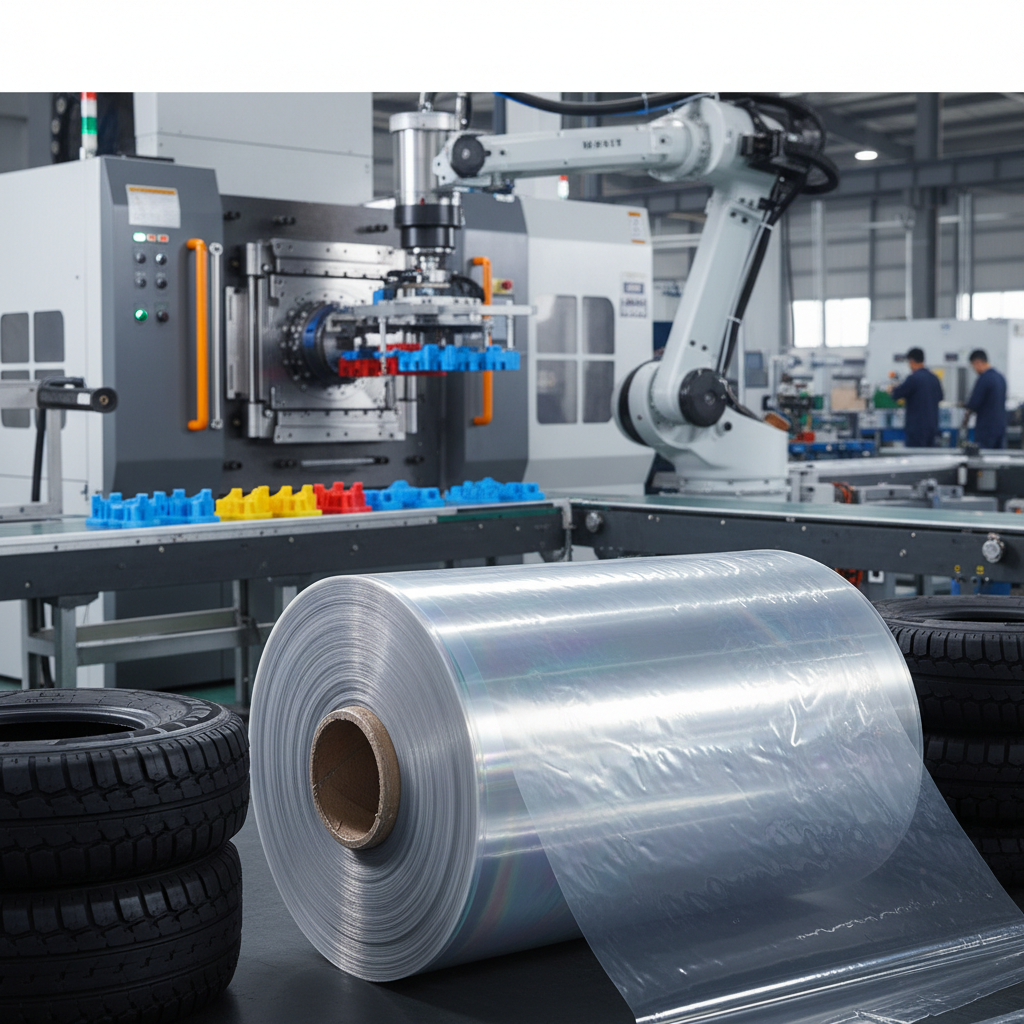
Global Market Dynamics of OPP Plastic Bags
The global adoption of the opp plastic bag is intrinsically linked to the rise of the fast-moving consumer goods (FMCG) sector. Market data indicates that as supply chains become more fragmented and international shipping becomes the norm, the need for lightweight yet durable primary packaging has spiked. ISO standards for packaging materials have pushed manufacturers toward higher purity resins, ensuring that these bags provide an airtight barrier against contaminants.
However, the industry faces a dual challenge: maintaining the cost-efficiency that makes these bags attractive while adhering to increasingly strict global environmental regulations. Many regions are now pivoting toward "circular economy" models, forcing a shift in how the opp plastic bag is produced and recycled. This tension between utility and sustainability is currently driving the most significant innovations in the polymer science field.
Defining the Technical Nature of OPP Packaging
At its core, an opp plastic bag is made from Oriented Polypropylene, a thermoplastic polymer that has been stretched in one or more directions. This stretching process, known as orientation, aligns the molecules of the plastic, which dramatically enhances the material's clarity and tensile strength compared to non-oriented polypropylene (CPP). The result is a packaging medium that is remarkably stiff and resistant to punctures, making it ideal for retail displays.
In modern industry, these bags serve a humanitarian and logistical purpose by protecting essential goods from dust, moisture, and microbes. In the pharmaceutical and medical device sectors, for instance, the high transparency of the opp plastic bag allows for immediate visual inspection of the contents without breaking the sterile seal, reducing the risk of contamination and ensuring patient safety.
Furthermore, the chemical stability of polypropylene ensures that the bags do not react with the products they hold. This inert nature is critical for food-grade packaging and cosmetics, where the preservation of chemical composition is non-negotiable. By combining aesthetic clarity with chemical resistance, the opp plastic bag has become an indispensable tool in the global logistics toolkit.
Core Components of High-Quality OPP Bags
The durability of an opp plastic bag is primarily determined by its gauge (thickness) and the quality of the resin used. A high-performance bag must exhibit excellent tear resistance, ensuring that the packaging does not fail during the rigors of transit. The alignment of the polymer chains ensures that once a puncture occurs, it does not easily propagate across the entire surface.
Clarity and Optical Transparency are the defining hallmarks of the opp plastic bag, allowing brands to utilize the packaging as a marketing tool. By achieving a high gloss finish, the product inside is showcased in the best possible light, which has been psychologically proven to increase consumer trust and purchase intent in retail environments.
Finally, the seal integrity—whether through heat sealing or adhesive strips—determines the bag's efficacy as a protective barrier. Advanced opp plastic bag designs often incorporate "self-adhesive" strips that allow for rapid packing and secure closure, significantly reducing the labor time required in high-volume fulfillment centers.
Performance Metrics and Industrial Efficiency
When evaluating the efficiency of packaging, manufacturers look at the ratio of material weight to protective strength. The opp plastic bag excels here, providing high rigidity with minimal plastic volume. This reduces the overall carbon footprint of shipping and lowers the cost per unit for the end-user, making it a scalable solution for businesses of all sizes.
To better understand the comparative advantage of different opp plastic bag variants, we analyze key performance indicators such as clarity, tensile strength, and cost-effectiveness. These metrics help procurement officers decide between standard OPP and specialized BOPP (Biaxially Oriented Polypropylene) options.
Performance Comparison of OPP Plastic Bag Variants
Versatile Applications Across Global Industries
The versatility of the opp plastic bag is evident in its widespread use across diverse sectors. In the fashion industry, these bags are used to protect garments from moisture and dust during transit, ensuring that clothes arrive at the retail floor without wrinkles or stains. In the electronics sector, they serve as an initial layer of protection for cables and small components, preventing superficial scratches.
Beyond retail, we see the opp plastic bag used in critical logistics. For instance, in remote industrial zones or during the distribution of emergency supplies, these bags are often used to group smaller items together, making inventory management easier and protecting contents from harsh environmental conditions. The ability to customize sizes and thicknesses makes them an adaptable tool for any product dimensions.
Long-term Value and Strategic Advantages
Investing in a high-quality opp plastic bag provides more than just immediate protection; it builds brand trust. When a customer receives a product in a crisp, clear, and secure bag, it signals a level of professionalism and care. This emotional connection—the feeling of "unboxing" a pristine item—is a psychological advantage that increases customer loyalty and perceived product value.
From a logical standpoint, the cost-to-benefit ratio of using an opp plastic bag is unmatched. The low weight reduces shipping costs, while the high strength reduces the rate of product returns due to transit damage. For large-scale enterprises, these marginal savings per unit translate into millions of dollars in annual operational efficiency.
Furthermore, the reliability of OPP material ensures consistency across batches. Unlike some biodegradable alternatives that may vary in strength based on humidity, the opp plastic bag maintains its physical properties throughout its shelf life, providing a dependable safeguard for goods regardless of the climate they are stored in.
Future Innovations in Sustainable OPP Films
The future of the opp plastic bag is being shaped by the global drive toward sustainability. We are seeing the emergence of bio-based polypropylene, which utilizes organic feedstocks instead of petroleum. These innovations aim to maintain the high clarity and strength of traditional OPP while significantly reducing the carbon footprint of the production process.
Digital transformation is also playing a role. The integration of QR codes and RFID tags directly onto the film of the opp plastic bag is allowing brands to implement smarter tracking systems. This transition toward "intelligent packaging" means the bag is no longer just a container, but a data point in the digital supply chain, enabling better inventory control and anti-counterfeiting measures.
Additionally, automation in the bagging process is reducing material waste. New AI-driven cutting and sealing machines can optimize the amount of plastic used for each opp plastic bag, ensuring a tighter fit and less excess film. This combination of material science and technological integration ensures that OPP packaging will remain relevant in an eco-conscious world.
Comparative Analysis of Future OPP Material Trends
| Material Type |
Environmental Impact |
Clarity Score (1-10) |
Industrial Scalability |
| Traditional OPP |
High Carbon |
10 |
Excellent |
| Bio-Polypropylene |
Low Carbon |
9 |
Moderate |
| Recycled OPP |
Medium Carbon |
7 |
High |
| Biodegradable Blend |
Very Low Carbon |
6 |
Low |
| Co-polymer OPP |
Medium Carbon |
9 |
High |
| Thin-Wall OPP |
Reduced Waste |
10 |
Excellent |
FAQS
The primary advantage is clarity and stiffness. While Polyethylene (PE) bags are often cloudy or soft, an opp plastic bag offers crystal-clear transparency and a more rigid structure. This makes it far superior for retail packaging where the product needs to be showcased and protected from deformation during shipping.
Yes, polypropylene is generally considered safe for food contact. However, it is important to ensure that the specific opp plastic bag you procure is certified as food-grade. Their excellent moisture barrier properties help in keeping food items fresh and protected from external contaminants.
OPP bags are made from polypropylene (Plastic #5). While they are technically recyclable, they are often too thin for some automated sorting systems. We recommend checking with local waste management facilities to see if they accept #5 plastics, or utilizing specialized industrial recycling programs for high-volume waste.
The choice depends on the product's weight and the potential for sharp edges. For lightweight stationery, a thinner gauge opp plastic bag suffices. For heavier items or those with hard corners, a higher micron thickness is necessary to prevent punctures and ensure the bag's structural integrity during transit.
OPP stands for Oriented Polypropylene (stretched in one direction), while BOPP stands for Biaxially Oriented Polypropylene (stretched in two directions). BOPP offers even greater strength, better clarity, and superior resistance to punctures, making it the premium choice for high-end opp plastic bag applications.
Importing opp plastic bag solutions requires verifying the customs HS codes and ensuring compliance with the destination country's plastic import laws. Working with a supplier who provides comprehensive material safety data sheets (MSDS) and ISO certifications simplifies the customs clearance process significantly.
Conclusion
In summary, the opp plastic bag remains an essential tool in the global packaging industry due to its unique combination of transparency, strength, and cost-efficiency. From enhancing retail presentation to providing critical protection in industrial logistics, these bags solve the fundamental challenge of keeping products safe while keeping them visible. By balancing technical performance with strategic brand presentation, businesses can significantly improve their operational outcomes.
Looking forward, the evolution of the opp plastic bag will be defined by the successful integration of sustainable materials and smart technology. We encourage procurement managers to transition toward bio-based resins and thin-wall designs to reduce environmental impact without sacrificing quality. Embracing these innovations today will ensure your brand remains competitive and responsible in an ever-changing global market. Visit our website: www.prosperplastics.com